
The right people and the right people dynamics can unlock major success for an automaker’s new-car programs. The wrong kinds can wreak havoc.
Technical partnerships are nothing new in carmaking.
Names like Bosch, ZF, Panasonic, Marelli, Harrop, AIH and Magna are essential because they bring specialised knowledge, services and products that carmakers rely on to develop and manufacture new cars.
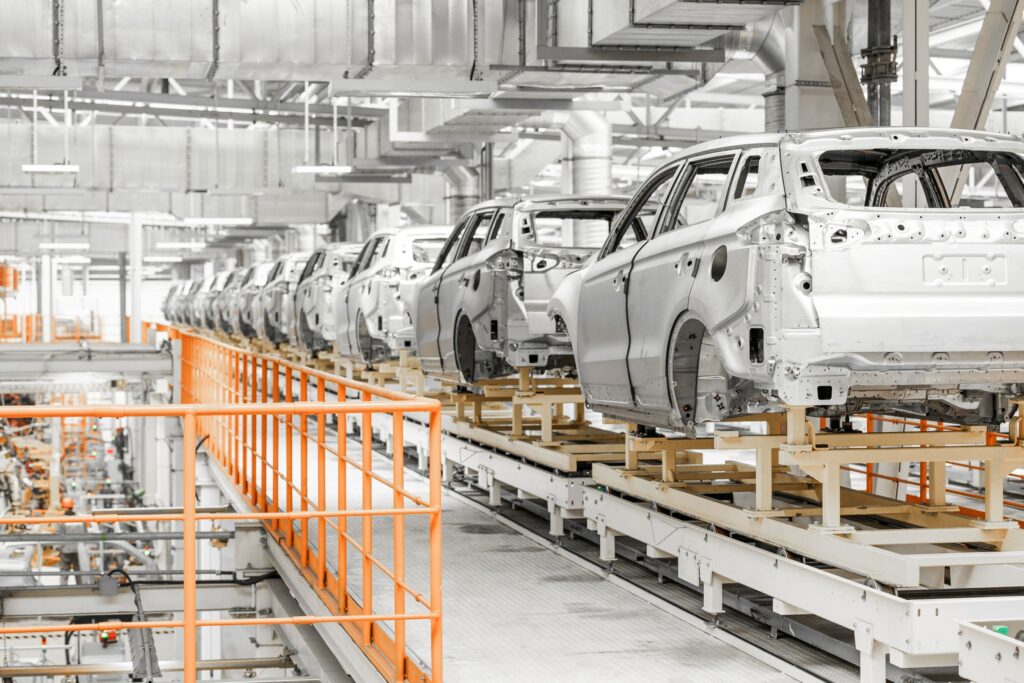
Carmaking’s reliance on strategic partners is critical because it’s not financially feasible for automakers to create and fit every single component on the new cars they make. It’s why specialised supply chains exist. They keep carmaking simpler and more cost-effective.
And there’s a critical detail in these working arrangements.
The best technical partners don’t just provide the best specialised knowledge and services; their teams also have the right people-related skills.
Automation lives in many corners of carmaking but the people who create and manage the technical programs that make new cars can add or subtract many millions of dollars to a carmaker’s bottom line.
Lack of response discipline, difficulty listening and a sense of superiority can create costly and avoidable friction between teams and individuals. So can personality clashes, jealousies and alpha-like characters who lack empathy.
All of these can cause miniature interpersonal collisions that build resentments and frustrations.
These sound petty, I know. But these caustic human dynamics can exist in all team-based environments, especially workplaces, and they can lead to interpersonal and inter-team difficulties that can give rise to everything from program delays to top-level staff departing.
They’re all costly consequences. Anyone inside carmaking knows that delayed new-car programs can have enormous financial impacts. So can new cars that roll into traffic carrying technical faults, which can cause product safety recalls, in-field service campaigns and lost customers.
All of this points to the importance of having the right technical partners, and not just for technical know-how. Their people have the potential to exert significant effects – in both directions – which is why company culture and leadership culture (theirs, and how it integrates with the automakers’) are so critical.
While keeping a close eye on the vehicle data, keep the other on the people dynamics. It can make a big difference to the results.
Bernie Quinn, CEO of Premcar
About Premcar:
Premcar Pty Ltd is a leading Australian vehicle engineering business that specialises in the automotive, defence and aerospace industries. For more than 25 years, global car-makers have made Premcar their go-to partner for the complete design, engineering and manufacture of niche-model new cars, full-scale new-vehicle development programs, and electric vehicle (EV) conversions and manufacturing. Premcar’s body of work is extensive. It is the name behind more than 200,000 new cars and 55,000 new-vehicle engines. The company has delivered technical advancements and sales success for major car brands from Europe, the USA, Japan, China and Australia. Visit premcar.au.